Does Heat Erase the Cumin Brand Gap?
We ground two cumin brands fresh — one budget, one premium — into the same Tex-Mex beef bowl and served them blind. Heat narrowed the gap. But it didn’t close it.
Culinary Microscope · Toronto
Cumin, Part 2 of 2
Recap Part 1: premium cumin won clearly. On an unheated Lebanese carrot dish, the budget brand let smoked paprika dominate while the premium brand asserted itself. The gap was +1 out of 10 — clearly noticeable. Now we ask what happens when the pan gets hot. Read Part 1 here.
The brands: Suraj (budget) vs Sadaf (premium) — both purchased at our local supermarket, both ground fresh immediately before each experiment. Same taster throughout: an experienced cook tasting blind with zero context.
Suraj — Budget
$0.04 CAD per teaspoon
$6.00 for 400g
Sadaf — Premium
$0.10 CAD per teaspoon
$4.79 for 113g
The Recipe
A Tex-Mex beef bowl — chopped onions, minced garlic, ground beef, black beans, corn, smoked paprika, cumin, oregano, and jasmine rice, served with a wedge of lime. Two identical batches, differing only in the cumin brand used.
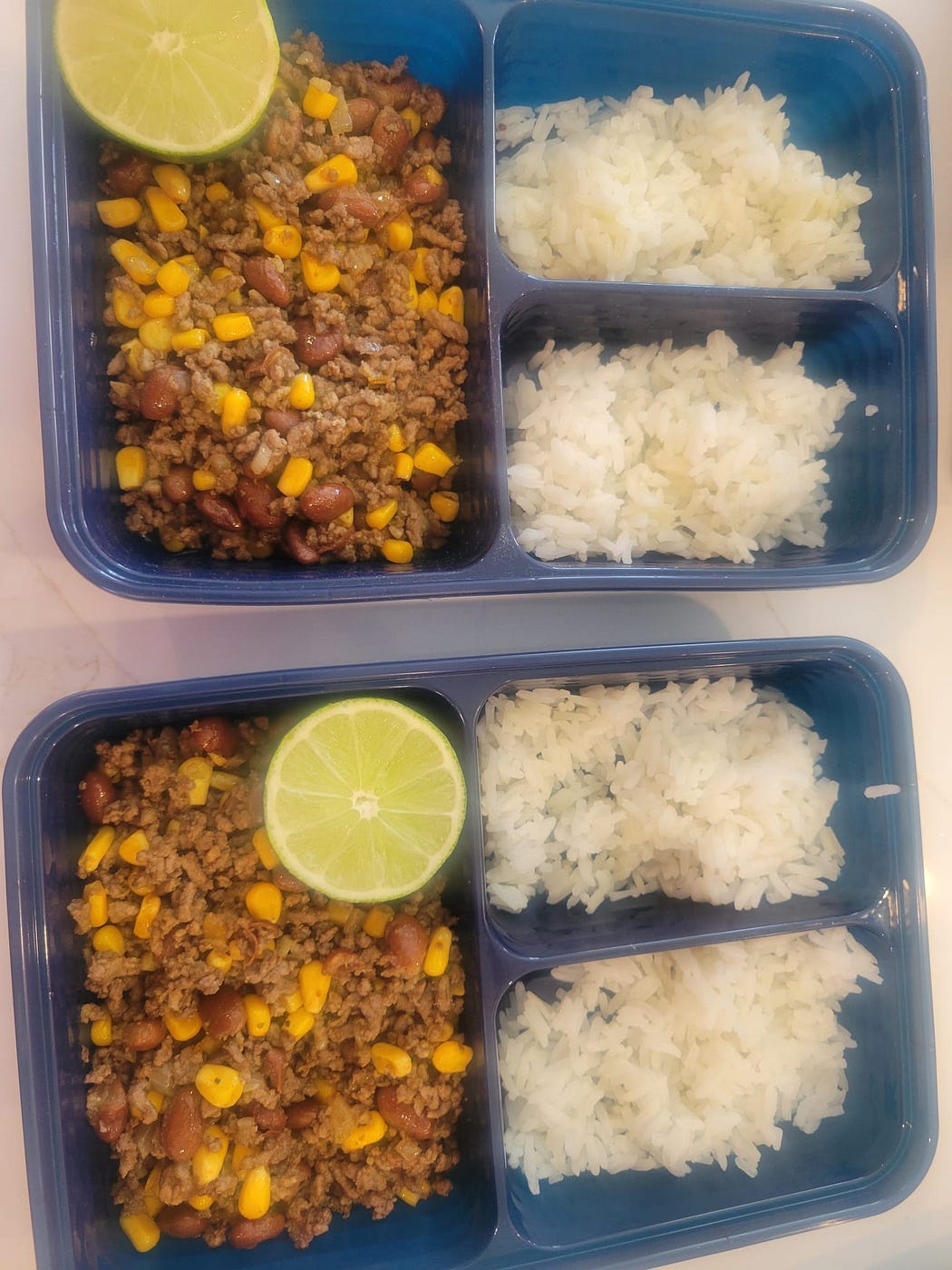
The dish is deliberately complex. Multiple assertive ingredients competing for attention — garlic, paprika, oregano, black beans. We wanted to know if the cumin brand difference could survive that kind of competition.
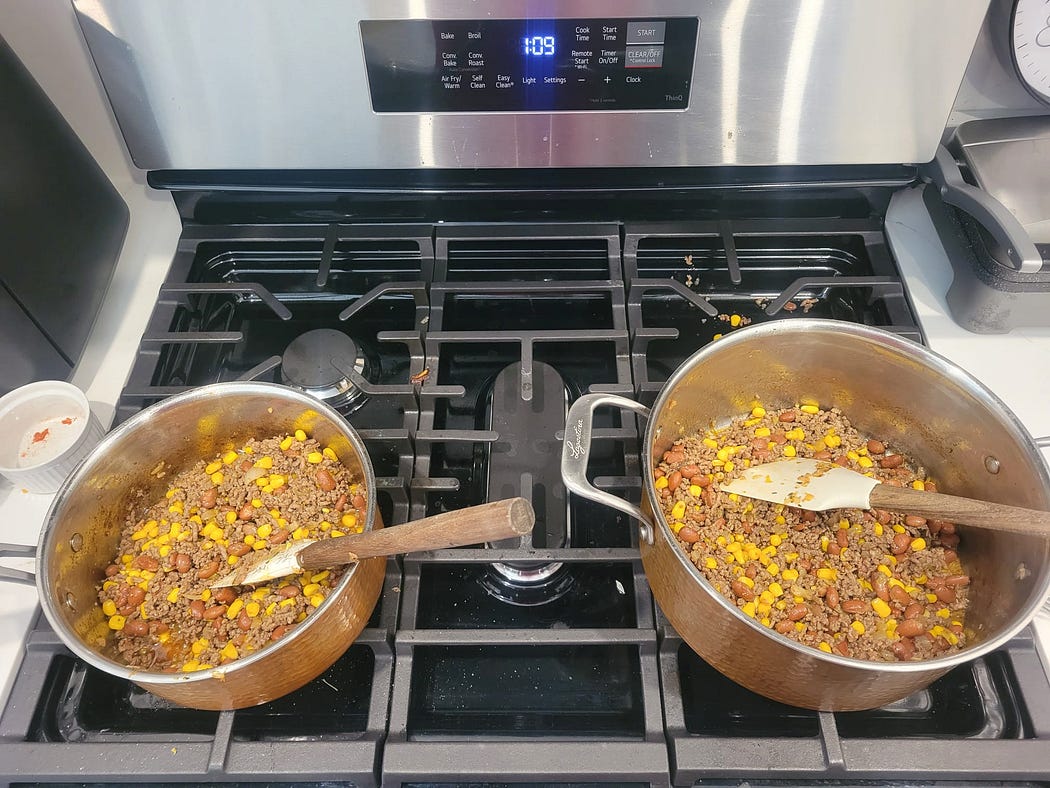
An Accidental Discovery
My mom tasted both bowls blind. She couldn’t detect a difference — and flagged that something was off. The dish lacked salt.
She was right. I had forgotten to add it.
I corrected the mistake, salted both batches equally, and asked her to taste again. This time she could detect a difference. Subtle — but real.
What the Mistake Revealed
The oversight turned out to be more valuable than the experiment itself. Salt doesn’t just season — it amplifies. Without it, the flavor compounds in both cumin brands were effectively muted, too suppressed to distinguish. With it, the differences between the two brands became perceptible. An accidental demonstration of one of the most important principles in cooking: salt doesn’t add flavor, it reveals it.
The Finding
I tasted and felt the following: “The difference was like the smell of grass after a brief shower versus after a long rain. Both unmistakably grass. But one deeper, more saturated, more itself.”
For me the distinction was clearest after a palate-cleansing sip of water between bites. The expensive cumin left a lingering earthiness — an aftertaste that stayed. The budget brand faded quickly, leaving the dish tasting slightly flat by comparison.
We agreed on a difference of +0.5 out of 10 in favor of the premium brand.
Cold Application
+1.0
Lebanese carrot dish
Premium won clearly
Hot Application
+0.5
Tex-Mex beef bowl
Premium still won
Heat narrowed the gap by half. But here is what makes this finding more significant than the number suggests. In our canned tomato experiment, a pure Pomodoro — just tomatoes, olive oil, salt, and pasta water — erased the quality gap between cheap and premium brands completely. Nothing to hide behind, and still the gap disappeared. The cumin experiment ran the opposite conditions: a complex dish with multiple assertive ingredients all competing for attention. Complex dishes bury flavor differences. The premium cumin survived anyway. The gap held at +0.5 in conditions specifically designed to erase it.
Why Didn’t Heat Close the Gap Entirely?
Two possible explanations — possibly both at work simultaneously.
Cumin aldehyde, the primary aromatic compound in cumin, is more heat-stable than the volatile compounds responsible for the brightness in premium canned tomatoes. Where tomato aromatics largely evaporate during a long simmer, cumin’s core flavor compounds survive heat better — meaning the quality difference between brands remains detectable even after cooking.
Alternatively, if the budget brand contains adulterated or diluted cumin — as the 2014 FDA recall suggests is not uncommon — no amount of heat compensates for simply having less actual cumin per teaspoon.
Verdict
For hot applications, premium still wins — but the gap narrows to +0.5. In a complex dish with many competing flavors, the difference requires concentration to detect. Is it Worth it? At a cost difference of fractions of a cent per serving, yes.
One open question: Both experiments used the best cumin available at a standard supermarket. What happens with a single-origin specialty cumin — a Burlap & Barrel Wild Mountain Cumin against the winner of this experiment? If Sadaf beats Suraj by +1 cold and +0.5 hot, how much further does that gap extend with a truly premium product? That experiment is coming.